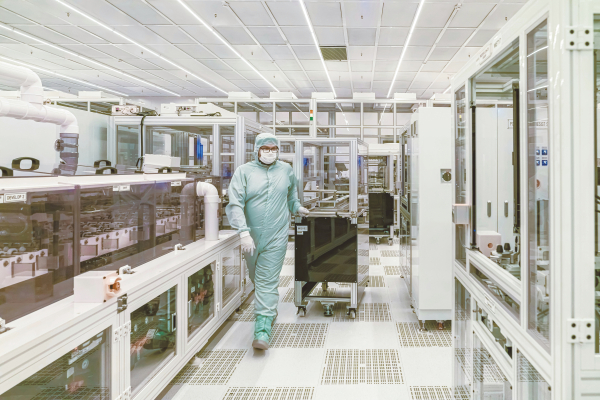
With the recent surge in demand for AI semiconductors and the recovery of the memory market, the semiconductor industry has shown strong growth. As a result, Samsung Electronics and SK Hynix made record-breaking consolidated operating profits of 57.2 trillion KRW and 37.6 trillion KRW, respectively, for the first quarter of this year. However, the atmosphere between labor and management at the two companies has been different. At SK Hynix, labor and management agreed to give 10% of operating profits as bonuses and abolish the bonus cap. In contrast, at Samsung Electronics, labor and management had conflicted over the bonus issue since December 2025, but dramatically reached an agreement on May 20, the day before a scheduled general strike.
Labor-Management Conflict at Samsung Electronics
The Samsung Electronics labor union had been demanding that the company remove the bonus cap and increase transparency in bonus calculation standards. Specifically, the union called for the elimination of the current cap on the Overall Performance Incentive (OPI), which is set at 50% of an annual salary. The union also demanded that the bonus criteria be changed from Economic Value Added (EVA) to a fixed 15% of operating profit.
However, the company maintained that it could not distribute a significant portion of its operating profit as bonuses. Because the semiconductor industry is highly volatile and requires continuous large-scale investment, management believes that most operating profits must be reserved for future facility investments and research and development.
The wage negotiations were settled through government mediation. According to the agreement, the existing OPI system will remain in place, and a new special performance bonus for the semiconductor division will be established. This special bonus will be funded by 10.5% of the business performance, and paid in treasury stock with no cap.
Why the Situations at the Two Companies Differ
The opposite situations at Samsung Electronics and SK Hynix come down to differences in their business structures. SK Hynix is a specialized memory chipmaker, with all employees belonging to the semiconductor business division. Therefore, decision-making regarding the distribution of bonuses is relatively simple. On the other hand, Samsung Electronics has diverse business areas, including semiconductors, smartphones, home appliances, and displays. When one division faces difficulties, the company uses profits from other divisions to fund investments, making decisions about profit distribution much more complicated.
For instance, in the first quarter of this year, the semiconductor division at Samsung Electronics made an operating profit of 53.7 trillion KRW, while the finished products division made only 3 trillion KRW, and the home appliances division remained in the red. Conversely, when the semiconductor division lost 14.9 trillion KRW in 2023, the mobile division sustained the company by earning an operating profit of 13 trillion KRW.
Performance Bonuses at Global IT Companies
The way global IT companies pay bonuses is not fixed like the “set percentage of operating profit” that many workers at large Korean companies have recently demanded. Instead of cash, many companies grant shares when employees reach specific goals, using systems such as Restricted Stock Units (RSU) and Restricted Stock Awards (RSA). TSMC, which prefers cash compensation, utilizes more than 1% of its annual profit (which equaled 10.6% of its operating profit in 2025) as a source for bonuses and provides additional RSA to key talent. Even when companies pay cash incentives, they usually consider both company and individual performance. Intel, for example, determines bonuses by giving equal weight to company revenue, profitability, operating expenses, the achievement of strategic goals, and personal performance.
Finding a Balance for Profit Distribution
KIM Jung-kwan, Minister of Trade, Industry and Resources pointed out during a press briefing, “Samsung Electronics’ achievements are connected to extensive infrastructure, partner companies, and more than 4 million minority shareholders and the National Pension Service.” He added, “We need to think about whether it is right to share these profits only among the people inside the company.” As such, Samsung Electronics’ operating profits should be distributed in a balanced way among reinvestment to secure future competitiveness, increasing returns for shareholders, and compensation for employees.