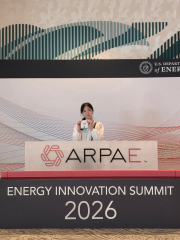
The week before midterms at POSTECH is usually a time of total academic immersion. Facing five exams, the logical choice for any student is the library. Yet, I chose a different path: boarding a flight to San Diego for the Advanced Research Projects Agency-Energy (ARPA-E) Energy Innovation Summit.
The ARPA-E Energy Innovation Summit is the most influential event in the energy sector for transitioning cutting-edge science into real-world applications. It is where energy leaders gain early access to groundbreaking energy technologies, define new areas of scientific research, and drive the development of affordable, reliable, secure energy for all. This summit serves as a collaborative community of scientists, engineers, and entrepreneurs from around the world who have the knowledge and passion to drive innovation. As the U.S. is at the forefront of this field, I was able to learn about many cutting-edge energy technologies through the summit.
The Breakout and General Sessions provided a front-row seat to the most pressing issues in the energy sector today, featuring world-class speakers and expert panels. One of the major highlights was the Fireside Chat by U.S. Secretary of Energy Chris WRIGHT and AMD Chair and CEO Dr. Lisa SU. They emphasized that energy benefits must reach every community. They also demonstrated the substantial impact of private partners. The panel titled “A Critical Connection: Preventing Supply Chain Disruptions for Energy and Industry” also changed my perspective. We often focus on the “purity” of renewable energy, but this panel examined the grit of reality: advanced processing technologies, materials substitution, and system-level supply optimization.
The most remarkable moment was when Director Conner PROCHASKA gave his speech. His message was clear: “The question is no longer whether fusion is possible. The question is how fast we get fusion-generated power on the grid.” This shift from “if” to “how fast” changed my entire thought: developing technologies for renewable energy is vital, but the real challenge lies in navigating the actual transition. We need strategic pathways to ensure energy security while moving away from fossil fuels, a process that requires intense government cooperation and industrial agility.
Innovation is not just about machines; it is also about the people who drive them. Attending the Women in Energy Networking Event was a highlight that fueled my own ambitions. Communicating with female leaders who are navigating the energy field was the most motivating experience for me. Also, engaging with the various booths at the Technology Showcase allowed for deep dives into innovations. Connecting with numerous companies, labs, and universities, I gained valuable insights into the current landscape of breakthrough technologies, including quantum computing, hydrogen, and fusion energy.
The summit clearly demonstrated the strength of the “Triple Helix” collaboration between industry, research, and government. Hearing diverse perspectives on energy security highlighted not just why we need reliable energy, but the strategic pathways to achieving it. I especially realized how critical government cooperation is in this transition.
The world of energy is moving at a breakneck pace, and we must be there to see it. Do not let the pressure of a single exam week prevent you from seeking the insights that will define your career. The hardest problems in the world are waiting for us, and the best way to solve them is to go out and meet them firsthand.