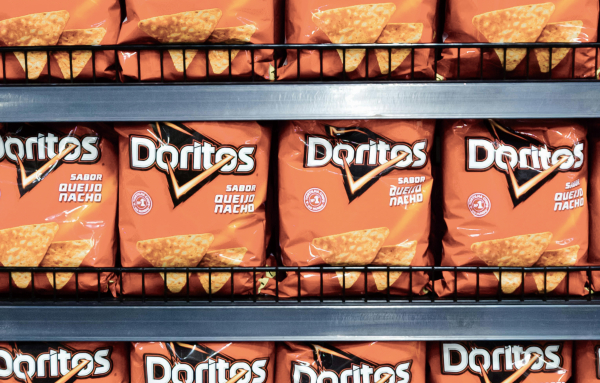
After years of defending margins with frequent price hikes justified by higher input costs and supply-chain disruptions, global food giants are finally changing course. PepsiCo announced on Feb. 3 that it will cut prices by up to 15% on key snack brands, including Doritos, Cheetos, and Lay’s. It is widely seen as a sign that consumers have hit their price limit, pushing companies to pivot from margin protection through higher prices to growth through unit sales and share retention.
PepsiCo’s headline numbers still look solid. In Q4 2025, the company posted revenue of 29.3 billion USD, above market expectations, and net income of 2.54 billion USD, up 67% year over year. But sales were supported more by pricing than by demand, while shipment volumes declined. In North America, food volume fell 1% and beverage volume dropped 4% over the past year. CEO Ramon LAGUARTA acknowledged the pressure directly, pointing to weaker affordability among low- and middle-income households.
The company appears to be using the Super Bowl window as a strategic reset point, when snack consumption peaks and pricing moves can have maximum visibility. Importantly, this is not another “shrinkflation” maneuver. PepsiCo says product size and ingredients will remain unchanged, with cuts applied to suggested retail prices themselves. That choice also reflects reputational lessons from Europe, where Carrefour publicly challenged PepsiCo over aggressive shrinkflation and removed some products from shelves.
Whether the price cut will restore momentum remains debated. Optimists argue PepsiCo may gain a first-mover advantage by resetting category expectations before rivals. Skeptics counter that four years of cumulative food inflation have already changed consumer behavior, and modest discounts may not be enough to win back consumers.
Spillovers to Korea should be limited. Doritos and Cheetos are sold through local licensing, so U.S. price cuts do not automatically lower Korean retail prices. Lay’s, as an imported finished product, has more room for adjustment if sourcing costs fall, but exchange rates, freight, and retail margins can delay or reduce pass-through. In short, this is less a short-term promotion than a strategic shift: even market leaders may need to trade margin for trust and volume.