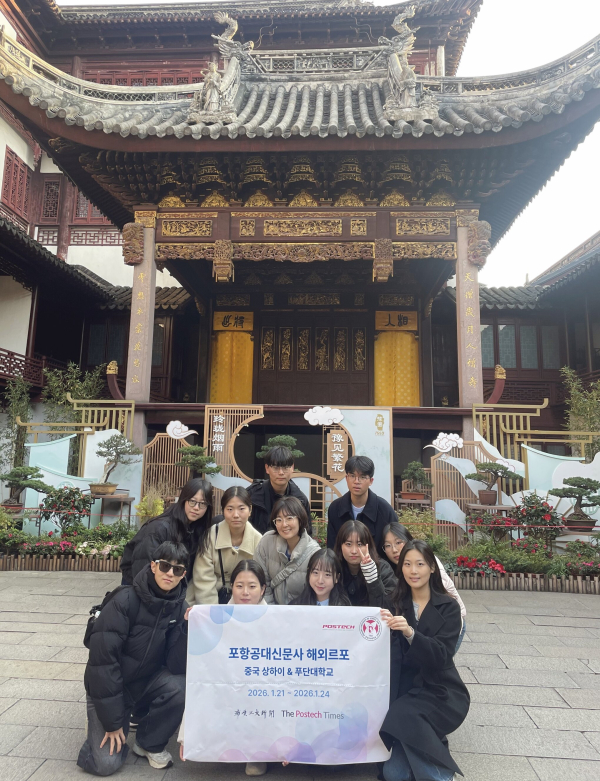
Shanghai is China’s largest city and one of the world’s most dynamic metropolitan centers, home to more than 24 million people. Located on the eastern coast at the mouth of the Yangtze River, it serves as a global financial hub and the busiest container port in the world. Once divided into foreign concessions in the 19th and early 20th centuries, the city developed a distinctive blend of Chinese and Western architecture that still defines its character today.
Recently, I had the chance to visit several points of interest, including the Shanghai Landmark District, Tianshan Tea City, and East Nanjing Road.
The Shanghai Landmark District, anchored by the futuristic skylines of Lujiazui in Pudong, is perhaps the most stark and characteristic expression of the city’s global ambition and achievement. Glass and steel skyscrapers rise from the banks of the Huangpu River, forming a skyline that has become symbolistic of modern China. From the roof of the Museum of Art Pudong, I could see the Oriental Pearl TV Tower right across the street. It was then that I first truly experienced the sheer scale of the city and really took in that we had landed in the very heart of China.
If the Landmark District represents Shanghai’s forward-looking identity and constant buzz of energy, Tianshan Tea City offers a quieter encounter with tradition and culture. Located away from the riverfront, the multi-story marketplace is dedicated entirely to tea and everything to do with the ceremonial tea culture. I was greeted by a plethora of aromas and endless samples of tea of an equally endless range of options. I headed up to the second floor without much thought, but it happened to be blind luck.
There, on the second floor, away from the tourist traps, transactions unfold at a slow pace. Shop owners invite customers to sit, pouring successive infusions into a minute and elegant cup while explaining subtle differences in processing and harvest season. Unlike the hurried exchanges common in department stores, these conversational interactions—a little haggle here, another tasting there—felt alive in a less busy way.
East Nanjing Road, meanwhile, returns to the busy nature of the city. As one of the busiest shopping streets in China, it draws crowds that ebb and swell throughout the day. International brands share space with long-established Chinese retailers, while neon signs and moving displays fight for the attention of the steady stream of pedestrians.
Walking along—then past—the East Nanjing Road on the last day of our reportage, I was presented with yet another facet of Shanghai. The street’s grandeur embodies a promise of modern urban life. Yet as I walked beyond the main avenue into smaller, unnamed alleys, a sense of dissonance emerged. There was an equal sense of scale and size, but just steps away from the glimmering façades were narrower streets with aging apartments, modest eateries and residents engaged in ordinary routines. Signs were no longer in English, and it felt like another sign of the city thriving.
Through the Landmark District, Tianshan Tea City, and East Nanjing Road, Shanghai plunged me into vastly different atmospheres that all felt uniquely alive. Shanghai revealed itself as not just a singular symbol of modern China but as a complex urban tapestry. Perhaps the true identity of this city emerges from this interplay, where towering spheres and steaming teacups, luxury boutiques and unnamed alleys all contribute to the story of dynamism