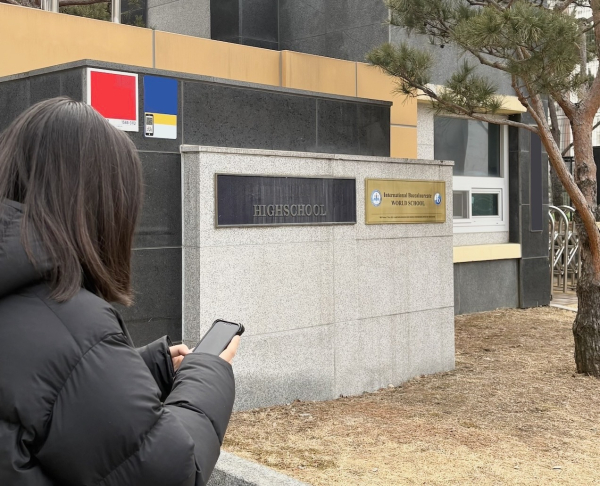
Beginning this March, South Korean classrooms will be digital-free. The congress has passed a law banning the use of smartphones and other electronic devices during class, a mandate that will be applied to all students from elementary school to high school. The legislation aims to combat phone addiction and create a better atmosphere for learning.
According to a survey by the Ministry of Gender Equality and Family, 213,243 students in the 4th, 7th, and 11th grade were classified in the danger territory for “highly dependent on smartphones.” While the ban is nationwide, exceptions will be made for students with disabilities and in case of emergencies.
Although there hasn’t been a nationwide law explicitly prohibiting the use of electronic devices in school, many schools have been taking measures such as collecting students’ phones before the start of the school day and returning it to them after the end of the school day. This follows a growing global trend; schools in England, Australia, and various U.S. states such as New York have implemented similar regulations.
The National Human Rights Commission of Korea used to be conservative about banning smartphones, going as far as reprimanding schools for setting rules on smartphone usage. However, last October, they changed their stance, deciding smartphone regulation does not take away rights. They have claimed “appropriate both goal-wise and method-wise to fostering an academic environment” and that “the use of smartphones in school can lead to the exposure of harmful media”. Although this is not the sole reason the congress recently passed the law, it contributed to the legislation. Many parents and guardians agreed to this smartphone ban, believing it will help students focus on studying and help with phone addiction.
The response for the youth community remains split. Several youth human rights groups in Korea have criticized the law for not taking students’ opinions into account. They argue that this law, like the “shut-down law” that bans minors from gaming after 10 P.M., takes away the autonomy of teenagers. Instead of a mandate, these groups propose alternatives such as updated school codes of conduct or student-led regulation. In addition, exact regulations on the method for schools to limit students’ use of electronic devices have not been set by the Ministry of Education.
However, some students welcome the change. Park, a student who is to start high school this March, responded positively when asked about the new law. “Focus can lag if students keep their phones, even when they aren’t actively using it,” Park claimed. “Also, if a student uses their phone during class, it might affect the entire class.” Another student, Kim, added that “just telling students to stop using their phones doesn’t work, so establishing a law would be more effective. Besides, students can have fun by spending time with their peers instead of being on their phones.”
Ultimately, the success lies in law enforcement, individual schools defining the boundaries of the ban, and students’ compliance. When done well, this could be a valuable opportunity for students to focus on education and reconnect with their peers, just as Kim suggested. As the new semester nears, parents, teachers, and students alike are watching to see if a phone-free school day will truly deliver what the law promises.