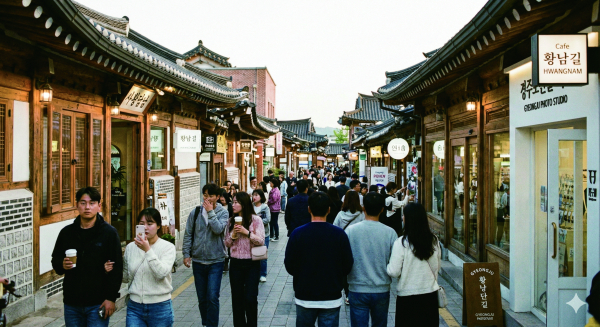
The 2025 APEC Summit in Gyeongju brought global attention and boosted the local economy. However, with the event now concluded, many residents are experiencing both anticipation and concern about the city’s future. Hwangnidan-gil, the city’s representative commercial district, has already been suffering from gentrification, where original residents are pushed out as rents rise significantly due to the influx of outside capital. There is a growing concern that the success of the APEC summit may raise expectations for increased property values, potentially intensifying the trend of gentrification.
The term gentrification was first coined by British urban sociologist Ruth Glass in 1964. She observed how districts such as Chelsea and Hampstead in West London, once home to poor residents, were reshaped as middle-class households moved in. The surge in housing prices, rents, property taxes, and service fees displaced original residents, transforming the identity of these communities.
Experts identify several factors driving gentrification. As cities develop, people who are no longer able to live in the city center move to the suburbs. Suburban areas that attract investment tend to prosper, while others fall into decline. Local governments, developers, and private investors often target these undervalued districts for redevelopment, sparking gentrification. Some people also noted a new middle class, comprising artists and professors, who move into low-rent neighborhoods. Their presence and creative activities make the area popular, driving up rents and housing prices, and ultimately triggering gentrification. Regardless of the cause, as an area is developed, soaring rents force out original residents. In their place, large franchises that can afford the higher costs move in. However, this is the irony of gentrification: the streets lose their unique character, causing visitors to leave the area.
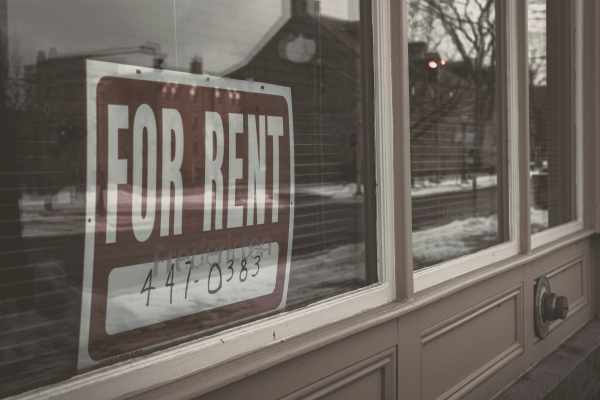
Gentrification is classified by origin, location, and actors. A representative example is residential gentrification, which occurs due to the relocation of existing tenants or large-scale redevelopment of residential areas. Another example is commercial gentrification, which refers to the rising rents of local commercial buildings and the resulting displacement of tenants. Other examples include rural gentrification, which occurs due to the influx of the middle class from large cities to rural areas; art-led gentrification, which refers to the urban revitalization driven by artists; and studentification caused by the influx of students to nearby universities. In Korea, gentrification primarily refers to revitalizing small, distinctive commercial areas, leading to the influx of large capital or franchises. This leads to a surge in property values that ultimately displaces the original small shops.
To prevent gentrification, governments have designated sustainable development zones to restrict the entry of large corporations and franchises and encourage building owners to sign rent stabilization agreements. This helps prevent the business district from becoming uniform. Authorities also set legal upper limits on rent and rent increases, ensuring that commercial building rents do not skyrocket. In Korea, the Commercial Building Lease Protection Act guarantees a lease protection period of 10 years and limits rent increases to 5%. Chang Moo Lee, a professor of the Division of Urban Planning and Engineering at Hanyang University, pointed out, “Changes in commercial districts are inevitable, but the government and local authorities should make every effort to preserve the unique history, symbolism, and value of each neighborhood.”
Experts say that while legal enforcement measures are important, voluntary action from the entire community is also necessary. Gentrification is not just a matter of increasing rents. It is a critical problem linked to the sustainability of the local economy. Preventing gentrification ultimately helps protect the local commercial district, so it is crucial to reflect the diverse perspectives of local governments, landlords, and tenants on rent and franchise issues. It is important to remember that if a neighborhood loses its unique character, people will eventually stop visiting, and property values will decline, harming both the landlord and tenants. Therefore, consumers, tenants, and building owners need to have a sense of ownership and consider the long-term future of their community.