

A fire incident at National Information Resources Management Agency’s headquarters in Daejeon caused a major nationwide network outage on Sept. 26. The incident is estimated to have caused at least 9.5 billion KRW of damage across 96 different major government network services, and many more that relied on them. Since then, further investigation into the fire has concluded that the cause was a problem during a lithium battery relocation undergone by an illegal subcontractor who failed to follow protocol.
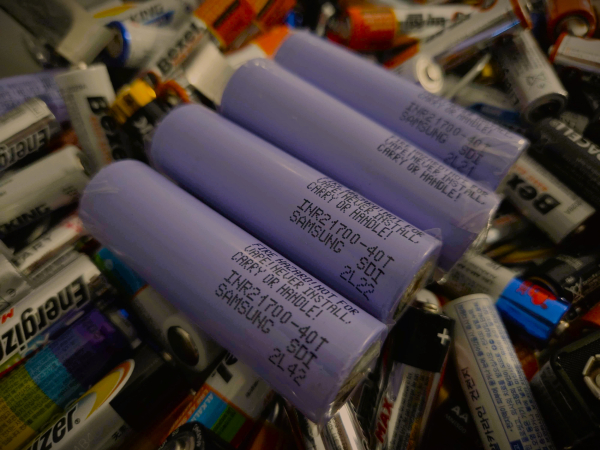
Such news has hardened the image of “lithium batteries” being highly volatile and combustible, causing significant concern, especially with electric vehicles. Yet lithium batteries dominate the market for mobile phones, laptops, and other handheld/personal electronic devices, and are integrated deep into our daily lives. Most mobile devices of today are powered by lithium-ion batteries or lithium-ion polymer batteries (henceforth Li-ion and Li-poly batteries), as they have become the industry standard for their high energy density and low manufacturing cost.
All-solid-state batteries (ASSBs) offer a crucial safety upgrade, replacing the flammable liquid or polymer-gel electrolytes in current batteries with a completely solid electrolyte, often ceramic, sulfide, or a solid polymer. This fundamental change eliminates the risks of leakage and thermal runaway, promising greater safety and stability. While they are still very early in commercialization, ASSBs are poised to deliver another step in the evolution of lithium-ion batteries.
Furthermore, sustainability is gaining prominence. Recycling and safer end-of-life handling are increasingly important, given the scale of battery use. Emerging processes leveraging robotic disassembly, green solvents, and smarter material recovery are being reported in 2025, reducing cost and environmental impact.
The Daejeon fire serves as a reminder that batteries are not just consumer components but critical infrastructure. While mishandling and poor oversight were at fault in this case, newer materials, smarter manufacturing, and better lifecycle management may help prevent such disasters in the future. Lithium-based batteries remain essential to our connected lives, but thanks to the researchers of today, the next generation of lithium-based batteries may finally deliver better performance, true safety, and sustainability.
