

As POSTECH works to attract global talent, its dining options still pose challenges for students. While most Postechians do not follow special diets, some—often international students—do so for religious or other personal reasons.
POSTECH currently offers halal lunchboxes for Muslim members, available on weekdays during lunch hours at Haedong-Aurum Hall. Although the option was appreciated, respondents said that flavors were repetitive and the meals were often cold, scoring an average of 3.4 / 5 in a recent survey conducted among 22 international students. Some respondents replied that it would be more helpful if halal meal option was also offered at dinner.
Unlike the halal lunchbox, there are no comparable options for students with other dietary preferences. Although vegetarian menus exist, the menu does not indicate which items are vegetarian at the eSports COLOSSEUM, and gang-doenjang bibimbap is the only option for vegetarians at Oasis inside the Student Union Building. Reportedly, most students felt like POSTECH did not meet their dietary needs well, with an average rating of 2.5 / 5.
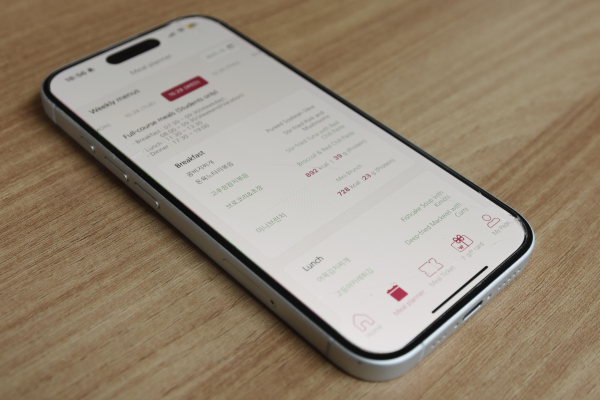
P.Front, the informal app for dining options at POSTECH, shows meat-free menus in green. However, multiple students have expressed frustration over this, as the app narrowly defines meat as the flesh of land animals, thereby excluding seafood. POSTECH’s kiosks also do not have a specific category for vegetarian menus nor specify ingredients.
Students have also complained about the lack of protein for vegetarians; there are very few protein options for vegetarians, and the cafeteria rarely serves tofu or eggs. Yael Sheinfeld, a computer science and engineering exchange student from Israel who follows a vegetarian diet due to the lack of kosher meat in Korea, explained, “almost all the food in the cafeteria contains meat or seafood of some kind, and often rice is the only option to eat.” She explained she mostly cooks for herself for this reason.
Lena Linsner, a physics exchange student from Germany, started vegetarianism about 10 years ago out of concern for animal welfare and the environmental impact of the meat industry. Despite enjoying Korean food, such as vegetarian kimbap or tofu dishes, she does not have many opportunities to try new foods due to limited options.
Although Linsner is “satisfied with the bibimbap at Oasis and some cafeteria food,” she added that “it would be great if one vegetarian option is offered for every meal.” She proposed creating a guide about vegetarian Korean dishes or special ordering tips, as it would help her discover more options.
In response to inquiries, POSTECH Dining Services replied that POSTECH currently offers halal food and salads, despite the financial burden. Although the GS25 at the Jigok Community Center sold halal, vegan, and vegetarian food in the past, these were discontinued due to low demand. However, POSTECH dining services commented that they will consider re-introducing such foods and desserts, and will stock religious and vegetarian foods that are available through GS25. Regarding the lack of information in the P.Front app, changes were made starting from Nov. 3.
Meeting students’ dietary needs is not just about preference; it’s about respecting others’ stances and religions, and building an inclusive table where everyone feels included. POSTECH could step up by labelling ingredients, specifying vegan/vegetarian menus, and opening up at least one dining option for each dietary preference.
