


While it emerged as the most demanding major, computer science is at a turning point. Computer science is still the most heated among all other fields, yet ironically, the heat is hurting the individuals involved. Across the world, enrollment surges are slowing, and job prospects for new graduates are becoming more competitive. AI is redefining what it means to study, work, and innovate in this field. These shifts raise a new question: if coding is no longer a rare skill, what does it now mean to be a computer scientist?
For over a decade, computer science has been the most popular and fastest-growing major in the world. Looking at the U.S., from 2010 to 2023, the number of computer science degrees awarded more than doubled. At institutions such as Stanford and Princeton, nearly one in five students chose to major in computer science.
However, this momentum is beginning to show different signs. The Computing Research Association (CRA)’s “CERP Pulse Survey: A Snapshot of 2025 Undergraduate Computing Enrollment Patterns” reports that 100 out of 117 academic units reported flat or declining new major enrollments when comparing Fall 2024 to Fall 2025. Interestingly, examining the subdisciplines, more institutions reported decreases in majors like information systems and software engineering. Meanwhile, more academic units saw increases in data science, cybersecurity, and artificial intelligence majors.
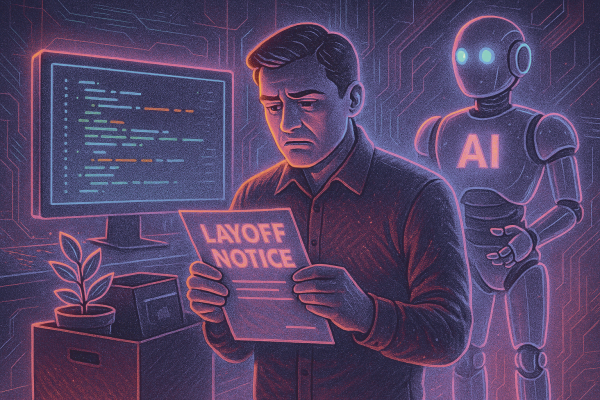
The decrease in the overall enrollment rate of computer science majors seems to be affected by the job market. According to the Federal Reserve Bank of New York, the unemployment rate in computer science and computer engineering was 6.1% and 7.5%, respectively, higher than that of art history majors. Yet, paradoxically, salaries for specialized AI-related roles continue to climb, reflecting a market that now prizes creativity and advanced expertise over routine programming.
South Korea is showing a similar pattern. According to Chosun Biz, the number of applicants to computer science programs nationwide dropped by 2,229 for the 2025 academic year. POSTECH reflects this trend as well: while 88 out of 295 students (29.8%) in 2023 Fall chose Computer Science and Engineering (CSE) as their major, the proportion fell to 22% (65 of 296) in 2024 and 19.5% (60 of 308) in 2025.
This decline mirrors growing anxiety over AI’s impact on employment. With tools like ChatGPT automating tasks once handled by entry-level programmers, many high school students now view computer science as less secure than before. Even major Korean tech companies, including Naver, Kakao, and Coupang, have slowed new graduate recruitment as they have pivoted toward AI integration.
Still, experts see a shift rather than a collapse. While demand for basic coders is shrinking, the need for AI-literate specialists is rising. Responding to this shift, Korean firms increasingly seek graduates who can design, interpret, and ethically manage AI systems. The government, meanwhile, is investing heavily in digital education and AI training to address this skill gap. The message is clear: those who can creatively use AI, not those who compete with it, will define Korea’s next generation of engineers.
“As I approach my senior year, I have started hearing about the difficulties in finding a job,” said Seongju Park, a junior computer science student. “I heard even graduates from top universities in Seoul struggle with employment.”
“Individuals with strong computational thinking will stand out,” he added. “I doubt that someone who is only good at coding will have a competitive edge. Even if two people produce the same output, the thought process behind it matters more.”
The evolution of computer science signals a profound educational shift—from how to code to what to create. Yet, this is also a return to the field’s original essence: problem-solving, not mere programming. Coding was never the core of computer science, but a language through which computational thinking and innovation were expressed. As programming becomes a universal skill, much like literacy once was, the new merit lies not in writing code, but in how individuals apply computational thinking to design solutions for real-world challenges.
For students today, this transformation means embracing active experimentation and blending AI knowledge with human creativity. In the age of AI, the decisive question for computer scientists is not how to code, but what to create.
